
Comprehensive, Evidence based mental healthcare
We provide comprehensive psychiatric assessment and individualized treatment for a wide range of mental health and neuropsychiatric conditions. Our approach combines clinical expertise, evidence-based medicine, contemporary treatment modalities, and a patient-centered understanding of each individual’s needs.
Areas of psychiatry

Adult Psychiatry
Assessment and treatment of common and complex psychiatric disorders in adults, including mood, anxiety, psychotic, and personality disorders.

Child & Adolescent Psychiatry
Evaluation and treatment of emotional, behavioral, developmental, and psychiatric concerns in children and adolescents.

Geriatric Psychiatry
Specialized psychiatric care for older adults, including mood disorders, behavioral symptoms, cognitive disorders, and psychiatric conditions associated with ageing.

Addiction Psychiatry
Assessment and treatment of substance-use disorders and behavioral addictions, including comprehensive relapse-prevention and rehabilitation-oriented care.
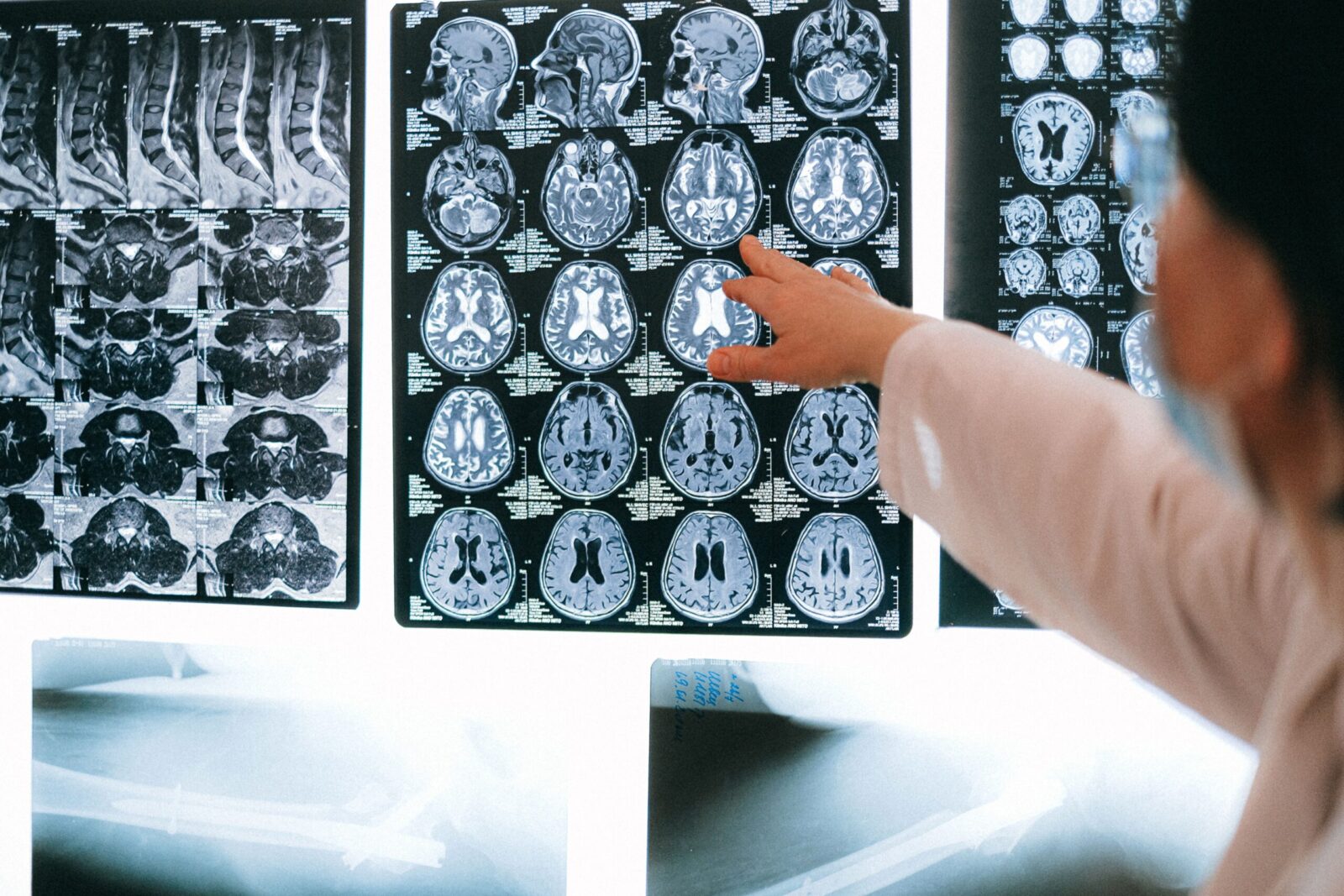
Neuropsychiatry
Management of psychiatric and behavioral manifestations associated with neurological and medical conditions, including traumatic brain injury, epilepsy, Parkinson’s disease, dementia, and other neurological disorders.

Psychotic disorder
Comprehensive management of schizophrenia, schizoaffective disorder, delusional disorder, and other psychotic illnesses.

Mood disorder
Treatment of depressive disorders and bipolar spectrum disorders, including severe, recurrent, and treatment-resistant presentations

Anxiety & stress related disorder
Assessment and treatment of generalized anxiety disorder, panic disorder, social anxiety disorder, phobias, obsessive-compulsive disorder, post-traumatic stress disorder, and related conditions.

Sleep psychiatry
Evaluation and management of insomnia and psychiatric conditions associated with sleep disturbance.

Women’s Mental Health
Psychiatric assessment and treatment during reproductive and hormonal transitions, including pregnancy, postpartum, and perimenopausal periods.

Liaison & Consultation Psychiatry
Psychiatric assessment of individuals with coexisting medical or neurological conditions, including management of psychological and behavioral symptoms associated with physical illness.

Personality disorder
Assessment and comprehensive treatment planning for borderline, avoidant, obsessive-compulsive, narcissistic, and other personality disorders.

Sexual health and sexual disorder
Assessment and treatment of sexual dysfunctions and psychiatric conditions affecting sexual health, including sexual desire, arousal, orgasm, and performance-related difficulties.
Conditions we treat
- Major depressive disorder
- Persistent depressive disorder
- Treatment-resistant depression
- Bipolar disorder
- Psychotic disorders
- Schizophrenia and schizoaffective disorder
- Generalized anxiety disorder
- Panic disorder
- Social anxiety disorder
- Phobias
- Obsessive-compulsive disorder (OCD)
- Post-traumatic stress disorder (PTSD)
- Adjustment disorders
- Somatic symptom and related disorders
- Personality disorders
- ADHD
- Autism spectrum-related psychiatric concerns
- Sleep disorders associated with psychiatric illness
- Substance-use disorders
- Behavioral addictions
- Cognitive and behavioral symptoms associated with dementia
- Psychiatric symptoms associated with neurological disorders
- Neuropsychiatric complications following traumatic brain injury
- Psychiatric manifestations associated with epilepsy and other neurological conditions
- Perinatal and postpartum psychiatric disorders
- Psychiatric disorders associated with menopause and other reproductive transitions
- Psychosomatic and medically associated psychiatric conditions
- Emotional and behavioral disorders in children and adolescents
- Psychiatric disorders in older adults
Advanced Treatment Modalities
Ketamine Treatment for Severe & Treatment-Resistant Depression
For carefully selected patients with severe depression or treatment-resistant depression (TRD), ketamine-based treatment may be considered as an advanced therapeutic option.
Treatment-resistant depression generally refers to depression that has not responded adequately to appropriate trials of conventional antidepressant treatment. Ketamine has attracted significant clinical and research interest because of its rapid antidepressant effects in selected patients, particularly when conventional treatments have provided insufficient benefit.
Our approach emphasizes:
Comprehensive Assessment
Detailed psychiatric evaluation to establish diagnosis, treatment history, severity, comorbidities, and suitability for ketamine treatment.
Individualized Treatment Planning
Ketamine treatment is considered only when clinically appropriate and as part of a broader, evidence-based treatment strategy.
Clinical Monitoring
Patients receiving ketamine treatment require appropriate medical and psychiatric monitoring throughout the treatment process.
Integrated Care
Ketamine treatment is not viewed as an isolated intervention. Where appropriate, it is integrated with pharmacotherapy, psychotherapy, lifestyle interventions, and ongoing psychiatric follow-up.
Who May Be Considered?
Ketamine treatment may be considered for appropriately assessed patients with severe or treatment-resistant depressive illness, particularly when conventional treatment strategies have not provided adequate improvement.
Suitability is determined individually following a detailed psychiatric and medical assessment. Ketamine is not appropriate for every patient, and treatment decisions are based on clinical history, current symptoms, medical factors, previous treatments, and potential risks and benefits.
Modified Electroconvulsive Therapy (MECT)*
MECT is an established, evidence-based treatment used for selected severe psychiatric conditions, particularly when a rapid therapeutic response is required or when conventional treatments have not provided adequate improvement.
MECT may be considered in conditions such as severe depression, treatment-resistant depression, depression with significant suicidality, psychotic depression, severe mania, and certain catatonic states. It can be particularly valuable when symptoms are severe, life-threatening, or associated with significant functional deterioration.
The procedure is performed under general anesthesia with appropriate muscle relaxation and medical monitoring, with individualized treatment parameters determined by the treating psychiatrist and clinical team.
Our approach includes careful psychiatric assessment, evaluation of medical suitability, individualized treatment planning, monitoring throughout the treatment course, and follow-up care after completion of MECT.
*In planning
Personalized Treatment Beyond Medication
Psychiatric treatment is rarely one-size-fits-all. Depending on the condition and individual circumstances, treatment may include:
A Comprehensive Approach to Mental Healthcare
Our goal is not simply to treat symptoms, but to understand the biological, psychological, social, and neurological factors contributing to mental illness and develop a treatment plan that is scientifically informed and individually tailored.